


🕓 Reading time: 5 minutes.
Consulting with an experienced and compassionate menopause doctor can greatly assist in navigating the changes you may be experiencing during menopause.
For too long, Australia’s medical fraternity has been sceptical, if not dismissive, of women’s* menopause.
Patients frequently report visiting ‘old-fashioned’ doctors who downplay symptoms and refuse to consider hormone replacement therapy (HRT), aka menopausal hormone therapy, as a management option.
Having a special interest in supporting people through menopause, I’ll listen to your concerns, explain the pros and cons of evidence-based treatments, and tailor advice to help manage your symptoms best.
ON THIS PAGE
- What’s good about menopause?
- At what age does it start?
- Is there a blood test for menopause?
- What physical and emotional changes can occur?
- What are the benefits of HRT medication?
- What about my Mirena and menopause?
- Will I gain weight during menopause?
- Is post-menopausal bleeding normal?
- About Dr Victoria Worgan
I appreciate that everyone’s experience is unique. My focus is on helping you regain control of your body while making this life transition as carefree as possible.
In this post, I’ll answer some of the most common questions I get asked about menopause.
It should be noted that what most of us refer to as menopause is medically known as perimenopause. Yet, for this post, we’ll keep using menopause.
Let’s get off to a good start by looking at some positives.
* Though I’ve used a cisgender context to discuss this complex area of medicine, I recognise and appreciate that not all people identify with binary genders.
What’s Good About Menopause?
There’s no doubt about it; menopause can be a challenging journey for four out of five women.
However, this phase of your life can also bring about some wonderful changes, including the freedom of sex without worrying about pregnancy (and contraception).
Getting to the end of your reproductive years in one piece is also an accomplishment worth rejoicing in!
For many women, the other side of menopause is just the beginning of feeling more comfortable in their skin.
At What Age Does Menopause Start?
While everyone’s experience is unique, most people begin to notice menopausal symptoms in their late 40s to early 50s.

Known as the perimenopause stage, symptoms can last anywhere from four to eight years, sometimes longer.
Perimenopause begins when symptoms first appear and continues until 12 months after your final menstrual cycle. After that point, you’re considered to be in post-menopause.
Around 12% of women reach menopause before the age of 45, which we classify as early menopause.
In rarer instances, premature menopause occurs when menstruation ends before the age of 40.
A range of factors can cause early or premature menopause, including primary ovarian insufficiency (POI), chemotherapy for cancer treatment, or surgical removal of the ovaries due to conditions such as severe endometriosis.
Is There a Blood Test for Menopause?
No, there’s no specific blood test for a diagnosis.
Doctors consider your medical history and assess your symptoms over time to determine if you’ve likely started menopause.
We sometimes use blood tests to look at hormone levels, namely follicle-stimulating hormone (FSH) and estrogen, if early or premature menopause is suspected.
Blood tests are also helpful in ruling out other conditions that exhibit menopause-like symptoms, such as an overactive thyroid.
What Physical & Emotional Changes Can Occur?
Mainly attributed to declining oestrogen levels, you may notice some of the following physical changes during menopause:
- Hot flushes, night sweats, and disturbed sleep
- Vaginal dryness
- Changes to your body shape
- Brittle bones
- Dry, itchy, and less resilient skin
- Hair thinning or loss
- Heart palpitations and increased blood pressure
- Slowing of your metabolism
- Joint aches and pains
- Fatigue and exhaustion
Hormone replacement therapy can work wonders in managing many of these symptoms by balancing out oestrogen levels.
More on the benefits of HRT below.
Depending on your individual needs, other treatments we can consider include cognitive behaviour therapy (CBT), gabapentin (to help with hot flushes), some antidepressants, and a newer medication called Veoza.
There’s little scientific evidence to support the effectiveness of natural therapies, and some can be unsafe. My advice? Save your hard-earned money.
A few emotional impacts of menopause include:
- Anxiety and depression
- Memory loss and brain fog
- Mood swings
Wide-ranging treatments to manage emotional symptoms are available to you, such as making lifestyle changes (no alcohol), and again, CBT, counselling, and antidepressants.
HRT may indirectly help with emotional symptoms. For example, reducing hot flushes and night sweats improves your chances of restful sleep, which in turn positively affects your mental health.
Hypoactive Sexual Desire Dysfunction (HSDD)
There’s also nothing unusual about having a lower libido during menopause.
But if the lack of sexual desire sticks around, distresses you, and isn’t due to things like medication or relationship issues, HSDD may be a condition we can look into.
In Australia, testosterone therapy is one management option for HSDD. Doctors often consider treatments such as AndroFeme 1 cream to help with symptoms.
Unfortunately, most testosterone-based medications are expensive and aren’t yet covered by the Pharmaceutical Benefits Scheme (PBS), though growing numbers of people are petitioning for their inclusion.
What Are the Benefits of HRT Medication?
Most women can take HRT to assist in managing symptoms such as night sweats, hot flushes, and vaginal dryness, to name a few.

It comes in many forms, including patches, gels, and tablets.
The treatment is safe and effective, helping many people regain their quality of life during menopause. Other benefits of HRT include:
- Preventing osteoporosis and reducing the chance of fractures by promoting bone health.
- Sustaining muscle mass and strength.
- Lowering the risks of anxiety and limiting mood swings.
- Help maintain cognitive function and day-to-day energy levels.
However, oestrogen-only HRT can cause the uterine lining (endometrium) to thicken, which may increase the risk of uterine cancer.
To help reduce this risk, I recommend adding progesterone for women who still have a uterus. This can be included as part of combined HRT medication or delivered via a Mirena intrauterine device (IUD).
Beyond protecting your uterus, progesterone may also offer other benefits during menopause. Research suggests it can improve sleep quality and is particularly effective in managing heavy or irregular bleeding.
Other HRT Risks
All medications come with risks, no matter how unlikely they may be. The same goes for HRT.
The newer HRT medications are much safer and carry a much lower risk of significant issues such as blood clots, breast cancer, and stroke.
Doctors reduce these risks by gaining a deep understanding of a patient’s medical and family history and adjusting prescribed medications accordingly.
I certainly don’t recommend HRT for everyone. However, after a careful risk assessment, I’ll discuss the treatment options with you, and we will develop a management plan together.
Side Effects of HRT
Some people experience very minor side effects, while others aren’t so lucky. Common side effects my patients have reported include:
- Headaches
- Mood changes
- Breast soreness
- Nausea
- Vaginal bleeding
- Bloating
You should discuss severe or prolonged side effects with your GP at the earliest opportunity.
This way, we can adjust the dose or type of HRT medication or look for other menopause management options.
What About My Mirena and Menopause?
Patients regularly ask if having a Mirena inserted can impact menopause. The simple answer is no.
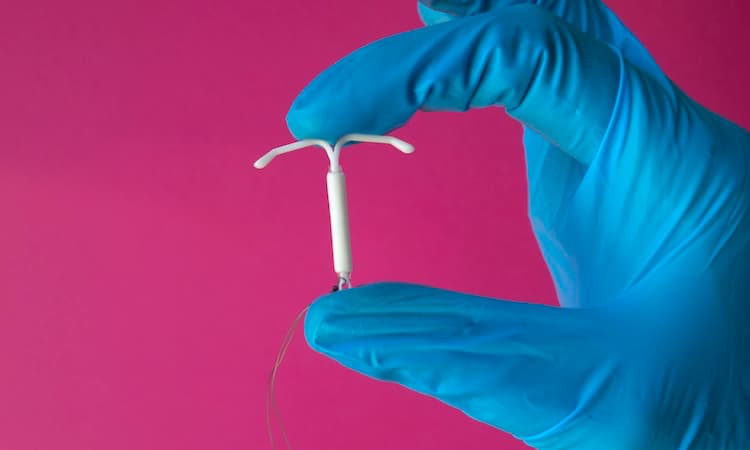
Nevertheless, there are a few things to be aware of.
For women in their late 40s and early 50s, a Mirena can sometimes make it difficult to tell whether menopause has begun.
This is because the progesterone it releases can stop periods completely and may cause mood swings, both of which can also be signs of menopause.
That said, these are just a couple of the many changes associated with menopause. The most significant factor is the natural decline in oestrogen levels, which leads to common symptoms such as hot flushes and night sweats.
Many women choose to combine a Mirena with oestrogen-only HRT to manage the breadth of menopausal symptoms.
A Mirena remains a great ‘set and forget’ option for five years of protection from uterine cancer, keeping the lining of your uterus thin during menopause.
Will I Gain Weight During Menopause?
Weight creep often occurs as people approach middle age.
Among numerous factors, I blame a loss of lean muscle, a slowing metabolism, and a drop in oestrogen contributing to more visceral fat around the tummy.
Changes to our bodies and lifestyles during menopause also increase the chances of gaining a bit of weight.
This is not to say that every woman will come out the other side of menopause wearing clothes a few sizes up, but putting on a few kilos is common.
Keeping active is understandably more difficult when menopausal symptoms are at play. No one wants to run five km when they’ve had disturbed sleep and wake up achy and fatigued.
As we progressively identify and refine the best management approach for you, we can discuss ways to address weight creep that suit your lifestyle if it’s a concern of yours.
Modifying diets, reassessing exercise routines, and tweaking menopause treatments are tactics that have shaped great results for my current and past patients.
Is Post-Menopausal Bleeding Normal?
Though bleeding after menopause isn’t normal, it’s relatively common and usually easy to treat.

Even if it’s just light spotting or you’re unsure whether it’s actually blood, it’s important to get to your GP to rule out more serious causes.
Proper investigation is essential, as it’s not possible to determine the cause without further assessment. Some common reasons for post-menopausal bleeding include:
- Cervical or endometrial polyps – usually non-cancerous growths.
- Vaginal atrophy – dryness or inflammation of your vaginal wall due to reduced oestrogen levels.
- Changes to your uterus lining – often related to HRT.
- Uterine cancer – the most serious cause to rule out.
While most cases are not cancerous, around 9% of post-menopausal women with bleeding are found to have uterine cancer. For this reason, timely evaluation is critical.
In some cases, I may refer patients to a gynaecologist for further tests, such as a biopsy of the uterine lining.
This helps determine whether abnormal or cancerous cells are present and guides the next steps in treatment.
_________________________
If you think you may be entering menopause, are finding the symptoms challenging, or want to learn more about HRT, please don’t hesitate to get in touch.
You’re not alone—I’ve supported many women through this stage of life and understand how important it is to feel heard and supported.
The other excellent doctors and I at the clinic are here to listen, guide you, and work together to find a management approach that best suits your needs.
Like More Information?
Some great resources for you to do your own research into menopause:
- Australian Menopause Society
- Better Health Channel
- Jean Hailes for Women’s Health
- Menopause Alliance Australia
- Menopause Australia Support Group
- Menopausal hormone therapy & HRT fact sheet (The Royal Women’s Hospital)

Dr Victoria Worgan is a local GP at Doctors of South Melbourne.
Victoria has extra training in menopause management.
Her other special interests include women’s health, pregnancy care, and chronic and complex health.
You can make an appointment online with Victoria or call us on (03) 8579 6838.
0 Comments